Living in Authenticity: The Power of Saying No
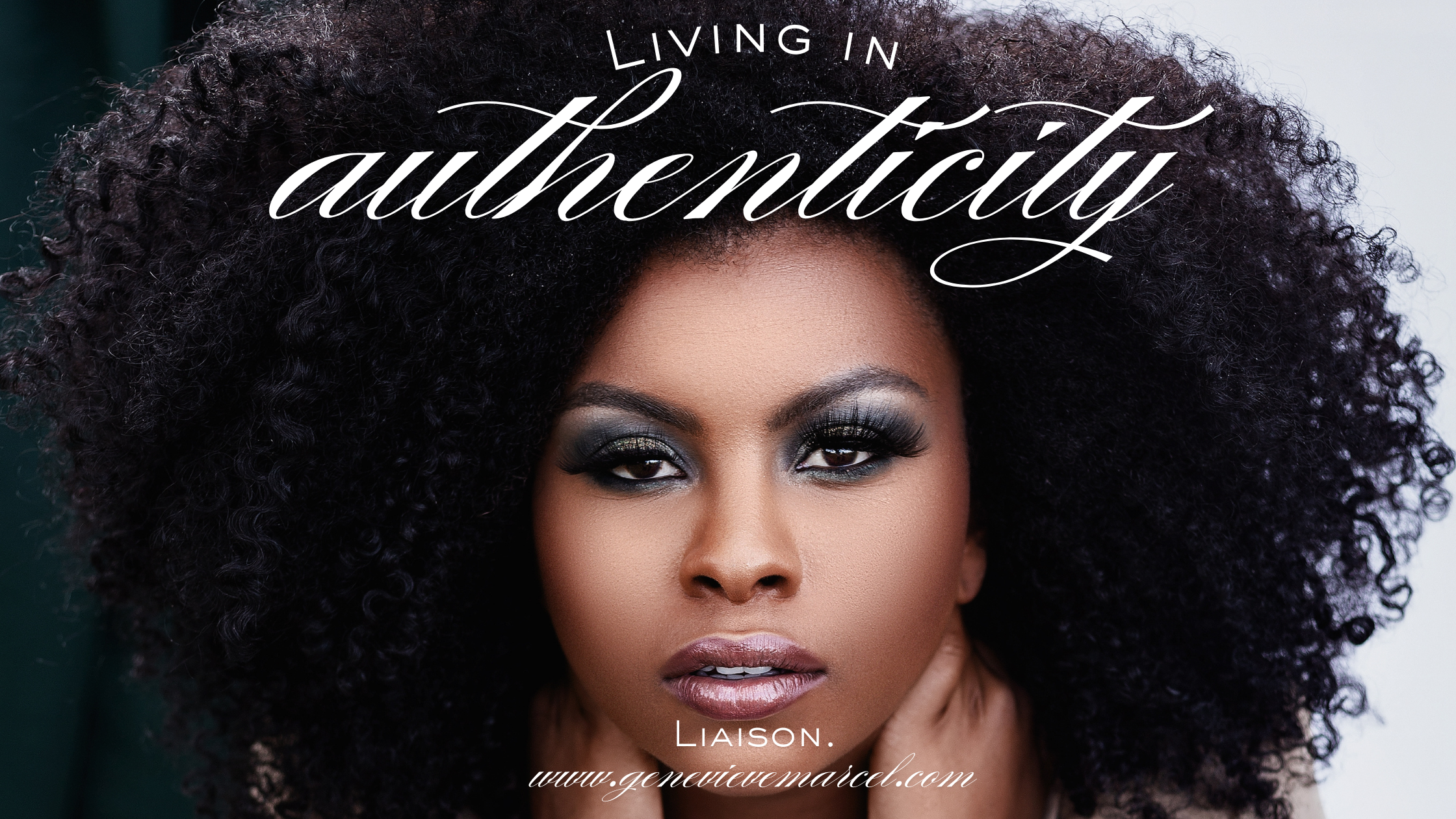
There is a quiet kind of self-abandonment that many people carry without realizing it. It is the habit of saying yes when the body says no. The reflex to accommodate. The instinct to smooth over tension. The belief that belonging requires self-editing. In a world shaped by expectation and social scripts, authenticity does not always come naturally. It is practiced, often with effort, often with fear, and rarely without grief.
From an existential perspective, authenticity is not an achievement. It is a way of living that places truth above performance, even when the truth is inconvenient. In sex therapy, this often begins with a simple inquiry: what do you actually want. For many, there is no immediate answer. Not because desire is absent, but because it has never been asked to speak.
The first boundary in this work is often the word no. Not as rejection, but as recognition. No can be a form of self-respect. It draws a line that honors the pace, safety and inner coherence of the person speaking it. In intimacy, a clear no makes space for a truer yes. Without that distinction, sexual encounters become performances that dull sensation and estrange us from ourselves.
Rollo May described freedom as the capacity to pause between stimulus and response. In that pause, we find the room to choose rather than react. This pause is where authenticity lives. It is where we notice the impulse to please, to comply, or to disappear. It is where we ask whether consent is wholehearted or performed. It is where we learn to remain present with ourselves rather than abandoning ourselves in the name of connection.
Learning to say no can feel dangerous for those whose earlier experiences taught them that refusal leads to punishment, ridicule or withdrawal. It takes time to trust that boundaries do not destroy intimacy but reveal it. Existential sex therapy holds space for the grief and disorientation that come with reclaiming a voice that was once silenced. The goal is not confrontation. It is coherence.
Living authentically requires a willingness to disappoint others. It asks us to relinquish roles that once secured approval. The good partner. The easy friend. The always-willing lover. Letting go of these performances creates uncertainty, but it also creates possibility. What emerges is a form of connection that is built on mutual recognition rather than mutual distortion.

Existential Sex Therapist
In sexual relationships, consent is not a singular agreement. It is a continuous process that unfolds moment by moment. It includes the right to pause, to change one’s mind, to adjust, to stop. These shifts are not failures of intimacy. They are signs that intimacy is alive. Existential sex therapy helps individuals return to themselves in these moments, so that desire is not detached from agency.
Authenticity is not about becoming someone new. It is about returning to someone familiar. When no is allowed to exist without fear, desire becomes less bound by performance. Pleasure becomes less about meeting expectations and more about inhabiting one’s own experience. And connection becomes less about merging and more about being with another while remaining oneself.
The work is not glamorous. It is subtle. It begins with the quiet courage to say: not this. Not now. Not at the expense of myself. Paradoxically, it is this refusal that opens the door to a more honest yes.